Holographic Space Backgrounds: Cosmic Textures for Modern Design
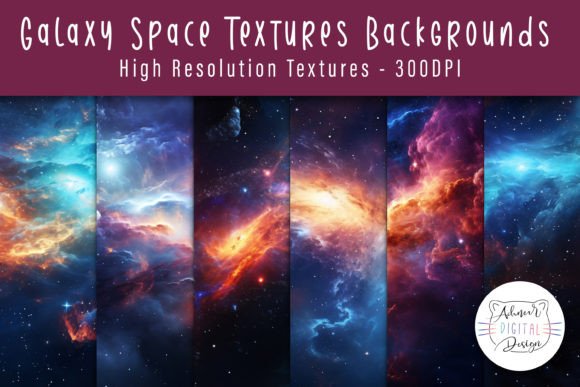
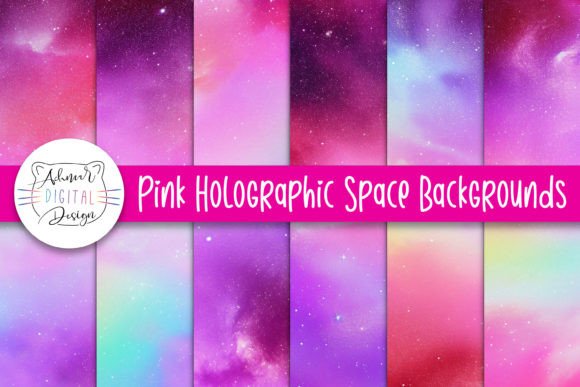
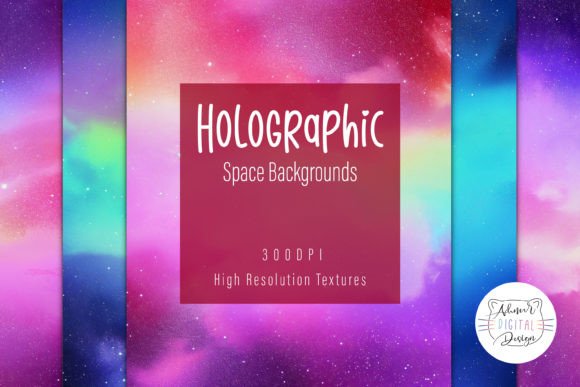
There's a particular kind of visual magic that happens when you combine the mystery of deep space with the iridescent shimmer of holographic effects. Holographic Space Backgrounds capture this intersection perfectly, offering designers and creators a set of five distinct graphic elements that feel both futuristic and surprisingly versatile. These aren't your typical starry night backdrops—they carry a polished, almost tactile quality that suggests depth, movement, and a certain digital sophistication.
What makes these backgrounds stand out is their clean execution. Each JPEG file renders at 300 DPI, which means you're working with crisp detail whether you're scaling for a large format print or refining elements for digital screens. The holographic effect itself isn't overdone; it plays with light in subtle gradients, creating that signature prismatic color shift without overwhelming other design elements layered on top. Think of them as atmospheric canvases—ready to support typography, product photography, or abstract compositions.
Where These Backgrounds Actually Work
I've seen designers struggle with backgrounds that look impressive in preview but fall apart in application. These Holographic Space Backgrounds avoid that trap. Their visual personality leans toward modern, tech-forward aesthetics, but the restraint in their execution opens doors to broader use cases. They work exceptionally well for social media graphics where you need thumb-stopping appeal without sacrificing legibility. Instagram stories, YouTube thumbnails, podcast cover art—these contexts demand visual energy, and the holographic space motif delivers exactly that.
For brand identity projects, particularly those targeting younger demographics or tech-adjacent industries, these backgrounds can anchor a visual system. A cosmetics brand exploring futuristic packaging, a music producer building a visual presence, or a startup launching a mobile app—all of these scenarios benefit from backgrounds that feel premium without being pretentious. The key is understanding that these aren't background textures for body copy on a website. They're display assets, meant for hero sections, banner imagery, and focal-point graphics where atmosphere matters more than extended readability.
Editorial design presents another strong application. Magazine covers, feature article headers, and digital publication layouts often need that single image that sets the entire tone. A holographic space background paired with a bold sans serif font for headlines creates an immediate sense of contemporary authority. The contrast between the organic, flowing light effects and sharp, geometric type produces visual tension that draws readers in.
Making Them Work With Typography and Layout
Here's where practical design thinking becomes essential. Holographic backgrounds are visually active—they contain color variation, gradient shifts, and tonal complexity. This means your typography needs to establish clear hierarchy through weight, size, and placement rather than relying on the background to do all the heavy lifting. When pairing typefaces, lean toward clean options. A geometric sans serif font handles the primary messaging well, while a minimal serif font can add sophistication for secondary text. Avoid overly decorative script fonts or handwritten fonts directly over the busiest sections of the background—they'll compete for attention rather than complementing the composition.
Consider using solid color overlays or semi-transparent panels behind text blocks. A frosted glass effect, for instance, lets the holographic texture show through while giving your words a stable reading surface. This approach works particularly well in web design hero sections and packaging design mockups where you need both visual appeal and functional communication.
Evaluating Fit for Your Specific Project
Before committing these backgrounds to a project, ask yourself a few honest questions. Does your audience respond to futuristic, digitally-forward aesthetics? Is your brand personality aligned with innovation, creativity, or modernity? If you're working on a law firm's website or a traditional bakery's menu, holographic space textures probably won't serve you well. But if you're a content creator, entrepreneur in the tech space, marketer targeting Gen Z and millennial audiences, or a crafter producing digital goods—these backgrounds become genuinely useful design assets.
Test them at actual project scale before finalizing. Drop your logo, your headline copy, your product shots onto the background and evaluate the result with fresh eyes. Does the composition feel balanced? Can you read the text at a glance? Does the overall mood match the message you're trying to send? These practical checkpoints matter far more than how impressive the background looks in isolation.
What You're Getting and How to Use It
The package includes five distinct JPEG files, each offering a different take on the holographic space concept. This variety matters because not every background will suit every application within a single project. You might use one for your primary hero image and another for secondary graphics, creating visual cohesion without monotony. The 300 DPI resolution gives you flexibility across both print design and digital formats—think posters, business cards, event flyers, and large-format displays alongside screens and social platforms.
For small business owners managing their own visual content, having a collection like this on hand saves considerable time. Instead of searching for individual stock images and trying to make them work together, you start with a cohesive set. Pair these backgrounds with your existing brand identity elements—your color palette, your chosen typeface, your logo—and you have a foundation for consistent, professional-looking content across multiple touchpoints.
The clean rendering of each file means you won't spend hours in editing software trying to fix artifacts or noise. They arrive ready to use, which is exactly what busy designers, bloggers, and publishers need. Whether you're building a presentation for a client pitch, designing merchandise for an online store, or creating visual content for a product launch, these premium font—rather, premium background assets integrate smoothly into existing workflows.
Final Thoughts on Building With These Assets
Good design resources earn their place by solving real problems. Holographic Space Backgrounds solve the problem of needing visually striking, professionally rendered atmospheric textures that don't look generic or overused. They won't transform mediocre design into great design on their own—but paired with thoughtful typography, intentional layout decisions, and a clear understanding of your audience, they become a reliable part of your creative toolkit. That's the kind of practical value worth investing in.