Chinese Palace Backgrounds: A Design Asset of Timeless Elegance
Stepping into the world of digital design, we often seek assets that do more than just fill space. We look for elements that tell a story, evoke a specific emotion, and lend an air of authenticity to our projects. This is precisely where Chinese Palace Backgrounds excel. Far from being simple decorative images, this collection of 12 high-definition visuals offers a deep well of inspiration drawn from one of the world's most storied architectural and cultural traditions. As a designer or content creator, understanding the core personality and strategic applications of such an asset is key to unlocking its full potential.
Deconstructing the Aesthetic: More Than Just a Pretty Picture
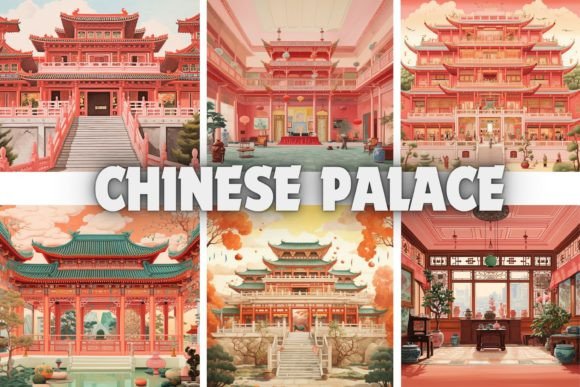
At its heart, the appeal of these backgrounds lies in their rich visual narrative. Each image is a carefully composed scene that captures the essence of Chinese palatial architecture. You’ll notice the intricate details: the sweeping, curved eaves of traditional roofs, the vibrant red lacquered pillars, and the delicate latticework of windows and screens. The color palette is a masterclass in historical symbolism, featuring auspicious reds, imperial yellows, serene blues, and the natural greens of meticulously landscaped gardens. These aren't static images; they possess a dynamic quality, with compositions that guide the eye through courtyards, past tranquil pavilions, and towards distant, mist-covered mountains. This blend of architectural grandeur and natural harmony creates a personality that is at once majestic, serene, and deeply cultured. It’s a visual style that communicates stability, history, and refined taste without saying a word.
Strategic Applications: Where Elegance Meets Function
The true value of a design asset is measured by its versatility. The Chinese Palace Backgrounds collection is a remarkably adaptable tool for a wide range of projects. Its applications extend far beyond a simple desktop wallpaper, offering tangible value across various professional and personal creative endeavors.
Elevating Your Brand Identity
For businesses in sectors like luxury goods, wellness, hospitality, or high-end cuisine, these backgrounds can become a cornerstone of their brand identity. Imagine a skincare brand specializing in ancient herbal remedies using a serene palace garden as the backdrop for its product photography. This immediately establishes a narrative of heritage and natural purity. Similarly, a high-end restaurant could use these images on its website and social media to evoke a sense of imperial dining and culinary artistry. The backgrounds serve as a powerful tool for logo design presentations, providing a context that speaks to quality and tradition. When used in packaging design, even a subtle texture or border inspired by these scenes can elevate a product from ordinary to exceptional.
Transforming Digital and Print Media
In the realm of editorial design, these backgrounds are invaluable. A magazine feature on Asian art, a travel blog post about the Forbidden City, or a history podcast's social media promotion can all be visually anchored by these images. They provide instant context and a professional, polished look. For web design, a hero image featuring a majestic palace hall can set a powerful tone for a homepage, especially for cultural institutions, educational platforms, or bespoke service providers. In the world of social media graphics, where capturing attention in a split second is crucial, the unique and captivating nature of these scenes helps content stand out in a crowded feed. They are perfect for creating branded templates for quotes, announcements, or event promotions that require a touch of sophistication.
A Practical Guide to Using These Backgrounds
Integrating any new design asset into your workflow requires a thoughtful approach. To make the most of the Chinese Palace Backgrounds, consider these practical guidelines.
- Evaluate Project Fit: The first step is always to assess whether the aesthetic aligns with your project's goals. This style is ideal for themes of history, culture, luxury, tranquility, and tradition. It might be less suitable for a project aiming for a minimalist, rustic, or overtly modern tech feel. The key is harmony between the background's personality and your message.
- Master Visual Hierarchy: A detailed background can sometimes compete with foreground text or graphics. To maintain readability, consider using overlays. A semi-transparent dark or light gradient can make text pop. Another effective technique is to use a font pairing that offers strong contrast. For example, placing a clean, modern sans serif font like Montserrat over a detailed palace scene creates a beautiful tension between old and new, ensuring your message is clear. Alternatively, an elegant serif font can complement the traditional feel.
- Test for Readability and Cohesion: Before committing to a background, place your core design elements—like a logo, headline, and body copy—on top of it. Zoom out to see if the composition still works. Does the background distract from the call-to-action? Is the color of your text lost in the details of the architecture? A background should support your content, not overwhelm it.
- Consider Commercial Licensing: For entrepreneurs, marketers, and small business owners, understanding the license is critical. This collection is designed as a premium font equivalent for backgrounds, meaning it's crafted for high-quality commercial use. Always review the specific terms to ensure it covers your intended application, whether it's for client work, merchandise, or digital products. Using properly licensed assets is a hallmark of professionalism.
Ultimately, the Chinese Palace Backgrounds